Park Environment
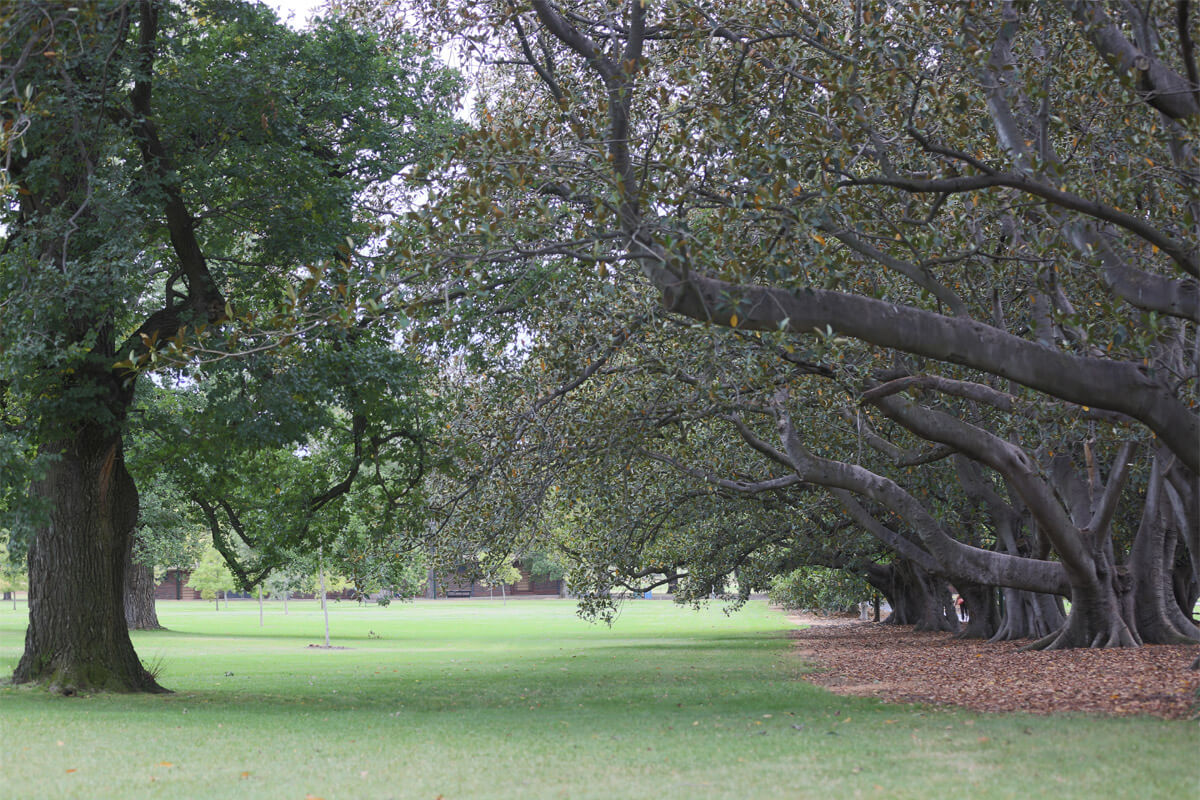
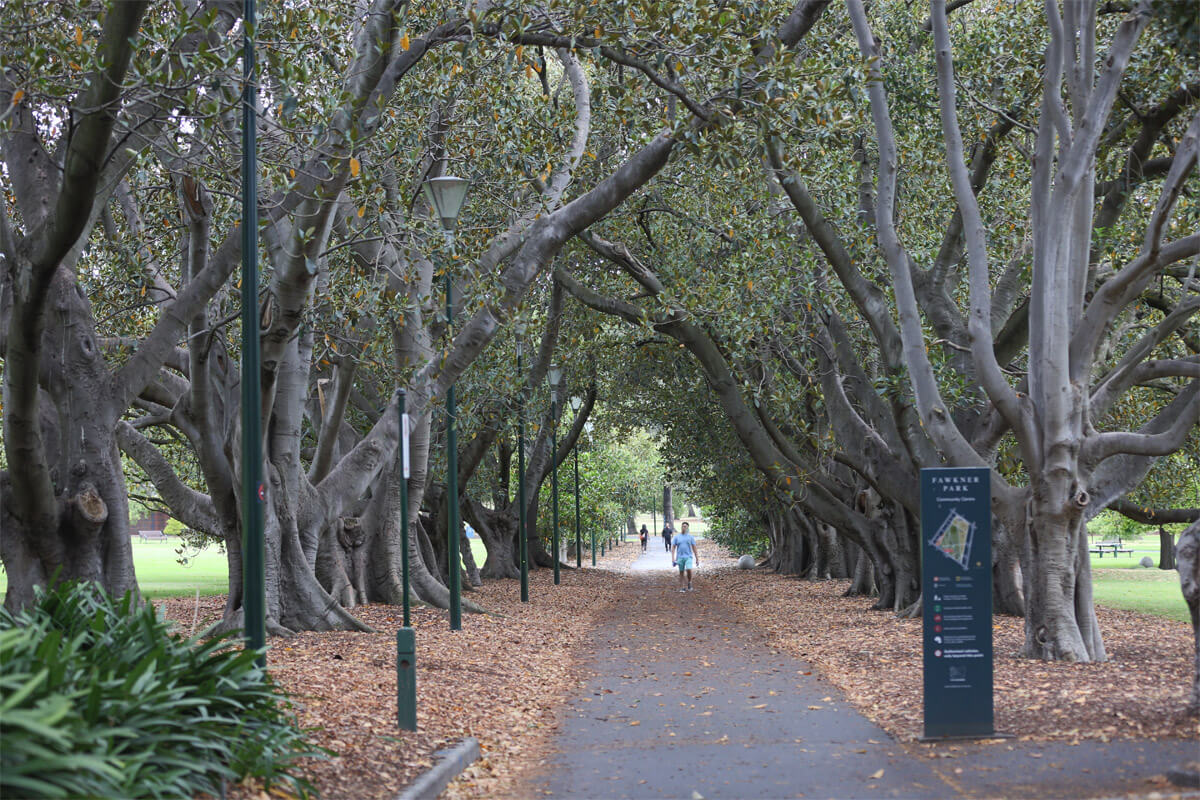
Located in one of Melbourne’s most picturesque parks and within a stone’s throw of the CBD, the Centre makes full use of its park environment to teach children about natural habitats and caring for the environment.
Each morning at drop-off, parents sign a special column on their child’s sign-in sheet giving Educators permission to take the children into the Park. Children go on regular nature walks to experience local wildlife such as kookaburras, possums, lorikeets and insects, and to observe the changing seasons. Park Rangers, right on our doorstep, also provide excellent co-curricular experiences that teach children more about the park and its inhabitants.
We also use the parkland for community gatherings and sporting events throughout the year. An important day early in the year is the social morning in the Park to welcome new families and build connections within the community. Other events in the Park include fish and chips evenings, picnics and sporting events, and our 3–5 year old groups play Kickstart Soccer outside every week.
Environmental Focus
Together with the City of Melbourne, Fawkner Park Children’s Centre has been working towards a safer, more environmentally friendly and sustainable building. The modern extension of the Centre was designed to save energy and water and provide a healthy indoor environment.
- The design maximises winter sun and minimises summer sun penetration, with low and high opening windows to improve air movement.
- Environmentally friendly and recycled materials were used wherever possible, including low-VOC paint, Marmoleum flooring and carpets chosen to reduce chemical exposure.
- Energy is saved through natural light, solar panels, low-energy light fittings with sensors, double glazing on external windows, and insulation in the roof and external walls.
- Electric hot water is used throughout the building.
- Rainwater collected from the roof is stored in tanks and used to flush toilets, and children’s hand basins have low-flow sensor taps.
Events Calendar
Extra Curricular Enrichment Program. A regular program of workshops and visitors to the Centre broadens children’s experiences and enriches the program. Incursions are planned throughout the year and include music performances, drama workshops, puppet shows, storytelling, healthy eating and environmental education sessions, to mention just a few.
Healthy Eating
All meals are prepared on the premises by our qualified chef’s. Healthy, low-sugar, seasonal meals are prepared daily and reflect our community’s cultural diversity. Allergies, intolerances and parents’ food preferences are taken into account.
Children have morning tea, lunch, afternoon tea and a late snack each day.
Our Teachers
The majority of our teachers hold degree-level qualifications, and many also have specialist qualifications in areas other than early childhood. We offer excellent child-to-teacher ratios by employing well above the required level of trained and experienced educators. Many teachers in the team hold specialist roles, such as:
- Educational Leader – leads the development and implementation of the educational program and curriculum, including systems across the Centre that ensure reflective practice and continuity of learning from room to room and in the transition to school.
- Educational Leader (Junior Garden) – a professional role model for high quality education and care for young children, sharing knowledge of child development and demonstrating effective ways to document children’s learning in Storypark, the Centre’s online teaching and learning tool.
- Sustainability Coordinator – maintains up-to-date knowledge and supports the Fawkner Park community in embedding sustainability into everyday teaching and learning.
- Occupational Health and Safety – coordinates Centre operations including preventative strategies and procedures relating to the health and safety of children, educators, parents, students and visitors.
- Child Safety Officer – plays an integral role in the Centre’s legal and moral obligations to develop, maintain and continuously review our culture of ongoing commitment to all matters of child safety and wellbeing. The role is the primary source of support, advice and expertise on Child Safe Standards, the Reportable Conduct Scheme and all legislative and best practice requirements.
- RAP( Reconciliation Action Plan) Coordinator – supports reconciliation by helping educator, children and families embed respect for First Nations peoples, culture, history into everyday learning.
Small Group Learning
Small group learning extends children’s knowledge and discovery, and is defined by intentional teaching. The focus is on developing social skills through numeracy and literacy, dramatic play and learning about the environment. A dedicated parent resource and small group learning room gives Kinder children space for regular small group art experiences and language learning.
In-house Programs
Fawkner Park Children’s Centre prides itself on a varied and extensive incursion program that complements well-planned educational experiences and environments. Regular programs include music, indoor sports and outdoor soccer, as well as a diverse calendar of events throughout the year.
Community
The Centre is a cooperative run by a parent Committee of Management. Our parent members are heavily involved in the operation of the Centre, both through the Committee – parents elected by parents – and through regular general meetings of the Cooperative. We encourage parents to think of themselves not as customers but as part owners of the Centre, in partnership with a group of like-minded owners.
Sustainability
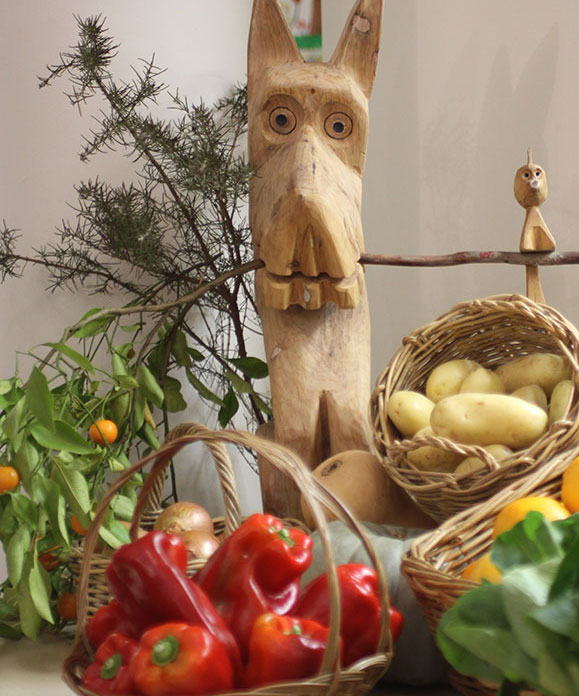
At Fawkner Park Children’s Centre we are committed to embedding sustainable practices into our program and planning. Every child, regardless of age, has the opportunity to plant, cultivate and ultimately harvest their own fruit, vegetables and herbs. We believe these hands-on experiences are vital in ensuring a sustainable future.
Our location in the grounds of Fawkner Park gives us the unique opportunity to take children out of the classroom and into nature. We explore the park and all it has to offer, believing that nurturing a love for the outdoors is important. As well as developing respect for the natural environment, we explore the interdependence between land, people and animals, helping children develop a sense of care and respect for natural and constructed environments.
We believe that sustainability is a vital part of early childhood education, and we take great pleasure in incorporating sustainable practices into all that we do.